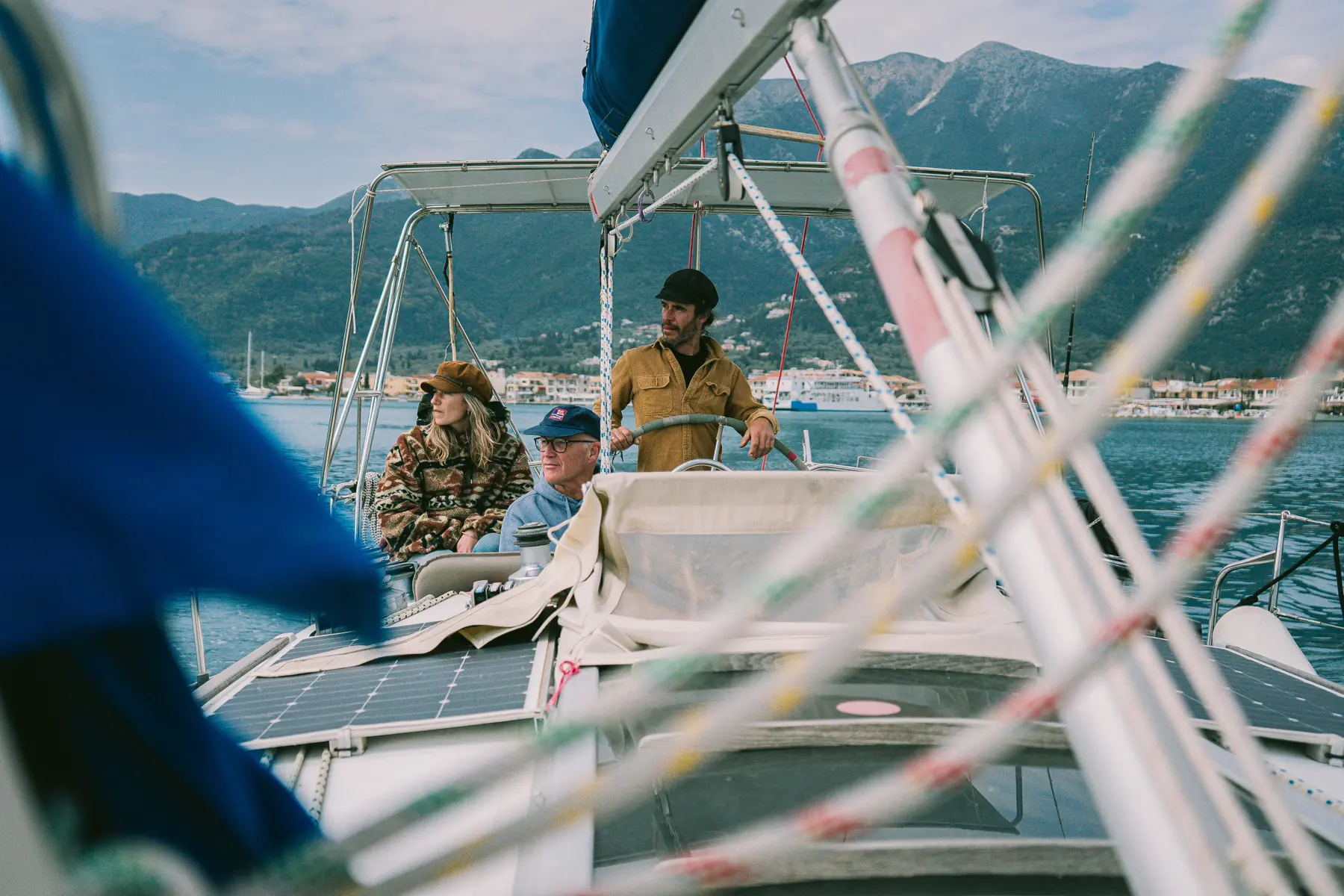
A skipper does not turn a normal charter into a fully crewed hotel. The skipper operates the yacht and makes the final safety decisions; accommodation, meals, route expectations and any hospitality support still need to be agreed separately.
Decide with four tests—not one
1. Will the certificate and sailing résumé be approved?
Legal recognition, operator approval and practical competence are separate tests. Requirements can depend on the yacht’s flag, cruising country, yacht size, sail or power category, radio equipment and insurer. Send the actual certificates and an honest sailing résumé before paying a non-refundable amount, and obtain written approval for the named skipper, base, dates and yacht or yacht category.
Read: Can I charter a yacht bareboat? Licence, VHF and experience requirements →
Reference: RYA guidance on evidence of competence abroad →
2. Is the experience relevant to this exact yacht?
Years around boats are less useful than recent time in command. Compare what the skipper has personally handled with the proposed yacht: length, beam, monohull or catamaran, one or two engines, windage, docking method, anchoring, tidal conditions and the density of local harbours. Moving from a 34-foot monohull to a 46-foot catamaran is a meaningful step even when both are pleasure yachts.
A capable first mate also matters. The nominated skipper should not be the only person aboard who can start the engines, use the radio, recover the anchor or follow an emergency instruction.
3. Does the skipper want the responsibility?
The bareboat skipper remains responsible while everyone else is swimming, eating ashore or relaxing. That person monitors weather, plans safe passages, handles close-quarters manoeuvres, briefs the crew, checks systems and responds when something fails. Formal eligibility does not mean that taking command will feel like a holiday.
4. What kind of holiday does the group expect?
Bareboat suits groups that value independence, accept shared duties and are comfortable adjusting plans themselves. A professional skipper suits groups that want local input, less pressure around berthing and weather, or more time together. Neither arrangement guarantees a fixed itinerary: conditions, berth availability and the safe return plan always come first.
What bareboat responsibility includes
The nominated skipper leads navigation, weather decisions, harbour approaches, docking, anchoring, use of the tender, daily engine and system checks, fuel and water planning, crew safety and communication with the charter base. The charterer must also follow the cruising limits and return conditions in the contract.
The technical handover explains the individual yacht; it is not a sailing lesson. If basic manoeuvring, reefing, anchoring or emergency procedures would need to be learned during check-in, bareboat is probably the wrong starting arrangement for that yacht.
Reference: RYA charter checklist, agreements, insurance and security deposits →
What a professional skipper changes
A professional skipper takes operational command of the yacht: safe navigation, weather judgement, manoeuvres, anchoring and mooring, yacht systems and the safety briefing. The group should explain its priorities—quiet anchorages, towns, sailing time, swimming or restaurant stops—but the skipper must be able to delay departure, change the route or select a safer berth.
Guests can normally participate in sailing if conditions and the skipper permit. If instruction is important, ask for that before booking: an experienced charter skipper is not automatically engaged as a formal instructor, and teaching may not be included in the agreed service.
A skipper is not automatically a host, cook or childcare provider
The skipper’s primary job is safe yacht operation. Breakfasts, lunches, guest-cabin cleaning, grocery shopping, laundry and childcare are separate services unless the written offer says otherwise. Groups wanting hospitality support should compare a skipper-plus-hostess or skipper-plus-cook arrangement and reserve accommodation for every crew member.
Read: Skipper and crew fees, meals, cabins, duties and tips →
A skipper changes the cabin plan
Allocate a suitable berth before counting guest capacity. Some catamarans have a dedicated forepeak that the operator and skipper accept; others require an interior cabin. Confirm the berth’s size, ventilation, access, escape route and bathroom arrangement. Do not assume that the skipper can sleep in the saloon or share a guest cabin.
For a group of nine or ten, adding one or two professional crew can change the viable yacht category. A layout advertised for ten people may reach that number only by using a convertible saloon, small bunks or forepeaks that are not appropriate for the planned crew arrangement.
Read: Choosing a catamaran for 9–10 guests →
Compare the whole cost, not just the yacht rate
For a skippered charter, budget for the professional fee, the number of charged days, the skipper’s meals or agreed allowance, travel or transfers where applicable, suitable accommodation and any discretionary gratuity. Current 2026 Croatia examples reviewed by Seeksail range from about €200 per day for some monohulls to approximately €220–€250 per day for many charter catamarans, depending on size. These are planning examples, not quotations.
Bareboat removes the professional fee but does not remove security deposits, fuel, marina charges, obligatory extras or the financial consequences defined in the charter contract. The cheapest direct-fee arrangement can be poor value if the nominated skipper is stressed or the group loses time after an avoidable incident.
Hiring a skipper does not automatically remove the security deposit
The charter contract determines who provides the deposit, what the damage waiver covers, which exclusions remain and how a claim is handled. An added professional skipper may reduce operational risk, but it does not automatically transfer every contractual liability away from the charterer. Ask whether any different deposit or insurance terms apply to the exact crew arrangement.
Read: Security deposits, damage waivers and deposit insurance →
Useful compromise options
Checkout skipper or first-day assistance
Some operators can provide a professional for the first manoeuvres or part of the charter. Confirm who is responsible after that person leaves, whether the operator and insurer approve the handover, and how the skipper returns to base. Availability and terms vary by destination.
Flotilla
A flotilla can add route support and a lead crew while each yacht still needs an approved skipper. It can suit a competent but less locally experienced group, but it is not the same as having a professional skipper aboard your yacht.
A smaller or simpler yacht
Choosing a yacht closer to the skipper’s recent experience can be better than stretching to the largest model the budget allows. Easier handling, a familiar rig and a comfortable cabin plan often improve the week more than extra length.
A practical approval sequence
1. Choose the likely destination, dates, yacht type and approximate size.
2. Send sailing and radio certificates plus a detailed résumé for the nominated skipper and first mate.
3. Obtain written operator approval before paying a non-refundable amount.
4. If hiring crew, confirm duties, charged days, payment terms, meals, travel and sleeping arrangements.
5. Review the charter contract, deposit or waiver terms and cancellation conditions for that exact arrangement.
6. Reconfirm the approved documents and crew plan before travelling to the base.
Official Croatia reference: recognised certificates and charter guidance →
Bareboat and skippered charter side by side
Control and responsibility
Bareboat: your approved skipper plans and operates the yacht within the contract and local rules. Skippered: the professional controls safe operation, while the group discusses preferences and priorities.
Qualifications and experience
Bareboat: the operator must approve the nominated skipper’s documents and relevant experience. Skippered: guests normally do not need to qualify as skipper, but they should verify who provides the professional and which contract covers that person.
Comfort and privacy
Bareboat: all suitable accommodation can be allocated to guests. Skippered: reserve an accepted crew berth and bathroom arrangement; adding a hostess or cook normally requires another berth.
Cost
Bareboat: no professional fee, but the normal charter costs and deposit terms remain. Skippered: add the fee, meals or allowance, possible travel, cabin impact and any discretionary gratuity.
Best fit
Bareboat: experienced, confident groups that enjoy operating the yacht. Skippered: first-time groups, unfamiliar waters, larger yachts, mixed expectations or qualified sailors who prefer not to carry command responsibility all week.
Illustrative group arrangements
Example 1: eight guests on a four-cabin catamaran
With an approved guest skipper, four double cabins may work well for four couples. Adding a professional skipper can consume one cabin unless the specific yacht has an approved crew forepeak, leaving six guests in the remaining three cabins. The answer comes from the actual layout—not the advertised maximum capacity.
Example 2: nine guests considering a five-cabin catamaran
A five-cabin layout may accommodate the group bareboat without using the saloon. With a professional skipper, confirm whether the fifth cabin or a dedicated forepeak is allocated to crew. If the skipper needs the cabin, one guest may otherwise be pushed into the saloon; a different layout may be the more comfortable choice.
Example 3: a qualified couple travelling with first-time friends
Bareboat is technically possible if the operator approves the documents and experience, but the couple should decide whether they want every weather, docking and maintenance decision to sit with them. Hiring a skipper can let them sail actively when they choose while remaining part of the holiday socially.
Example 4: a group expecting breakfast and lunch aboard
A skipper alone is not the right service match. Compare a skipper and hostess—or skipper and cook—then plan two crew berths, food for two additional adults and the combined professional fees. A larger yacht may be necessary even if the guest count does not change.
Worked 2026 Croatia skipper-cost example
Illustration only: a skipper quoted at €220 per day for seven charged days costs €1,540. If the agreed food allowance is €30–€40 per day, add €210–€280, producing a planning total of €1,750–€1,820 before any travel cost or discretionary gratuity. If the skipper shares the group’s groceries and restaurant meals, remove the separate allowance but provision for one additional adult.
A discretionary 5–10% planning range applied to the €1,540 professional fee would be €77–€154. It is not a mandatory charge: follow the written terms, local convention and the service actually received.
See the full crew-cost guide and additional worked examples →
The destination changes the decision
Croatia and Greece can require specific evidence of competence and radio qualifications, while operators may apply additional insurer requirements. In the British Virgin Islands or Bahamas, the evaluation may focus more heavily on the sailing résumé and relevant command experience. Never assume that approval for one country, operator or yacht automatically transfers to another booking.
Frequently asked questions
Do I need a sailing licence for a bareboat charter?
It depends on the yacht’s flag, destination, size, equipment and operator requirements. Even where a formal licence is not the only deciding factor, the operator may require a detailed résumé and insurer approval. Send the exact documents before booking.
Is a sailing certificate enough?
Not necessarily. The certificate must be legally acceptable, approved by the operator or insurer and supported by recent experience relevant to the yacht. A VHF qualification or capable first mate may also be required.
Can a professional skipper teach us?
Many skippers are happy to involve guests, but instruction is not automatically part of the service. Ask in advance if learning is a priority and clarify whether formal tuition or certification is expected.
Can we choose the itinerary with a skipper?
Yes, the group should discuss preferences and daily rhythm. The skipper must retain final authority over safety, weather, suitable anchorages, berth availability and the return to base.
Does the skipper cook and clean?
Not unless the written service says so. Safe yacht operation is the skipper’s primary role. Hire a hostess or cook if the group expects regular meal preparation or guest-service duties.
Where does the skipper sleep?
In accommodation accepted by the operator and skipper: often an interior cabin or a suitable dedicated crew forepeak. Confirm this against the specific yacht layout. Do not plan on the saloon by default.
Do we still pay a security deposit with a skipper?
Often yes. The contract determines the deposit and damage terms. Hiring a skipper does not automatically transfer all charterer liability or remove exclusions.
Who pays for the skipper’s meals?
The charter party normally provides meals aboard or pays the agreed allowance, depending on the offer. Include the skipper in grocery and restaurant planning and confirm the arrangement in writing.
Is a tip mandatory?
A gratuity is generally discretionary unless the contract states otherwise. Ask about local convention, calculate any percentage against the correct base amount and decide after the service has been delivered.
Can we hire a skipper for only part of the week?
Sometimes, but it must be arranged and approved in advance. Confirm responsibility after handover, insurance conditions, charged days and how the skipper joins or leaves the yacht.
Questions to resolve before booking
• Has the operator approved the named skipper’s certificates, radio qualification and résumé in writing?
• Is the skipper experienced with the proposed yacht type, size and local mooring style?
• Does the nominated guest skipper want responsibility for the entire week?
• If hiring a professional, who supplies and contracts that person?
• Which berth and bathroom arrangement will each crew member use?
• What duties are included—and which are specifically excluded?
• How many fee days are charged, and are meals, travel or transfers separate?
• Do the deposit, waiver or insurance terms change with the chosen arrangement?
• Would a smaller yacht, flotilla or checkout skipper solve the actual concern?
Seeksail advisers review requests and help customers compare suitable yachts and crew arrangements. Current availability, skipper approval, prices and contractual terms are confirmed with the operator before recommendations are finalized.